Category: News

  • International Men’s Day: A call for men’s health awareness

    International Men’s Day: A call for men’s health awareness

    At Clare Facio Legal, we recognize the importance of dates that promote awareness and health care in all its facets. On November 19, we celebrate one of these significant dates, but perhaps less known: International Men’s Day. This commemoration, unlike more prominent events such as International Women’s Day, focuses on a crucial and often neglected aspect: men’s health.

    The relevance of International Men’s Day lies in its aim to draw attention to a worrying fact: the lower life expectancy of men compared to women. This difference in life expectancy is not a minor issue; it reflects a series of challenges and health problems that disproportionately affect the male gender. From heart disease to mental health conditions to occupational and social risks, men face a variety of health risks that require attention and action.

    At Clare Facio Legal, we firmly believe that awareness is the first step towards change. That is why, on this International Men’s Day, we call for reflection and action on behalf of men’s health. Promoting an open dialogue, fostering education on health and wellness issues, and encouraging men to take care of their physical and mental health are essential steps to improve their quality of life and increase their life expectancy.

    This date represents an invaluable opportunity to recognize and address the specific health concerns that affect men. At Clare Facio Legal, we join this cause, committing ourselves to promote health and wellness not only in the legal arena, but also in the personal and community, with the goal of building a healthier and more equitable society for all.

    Major diseases affecting men: A focus on men’s health.

    At Clare Facio Legal, we understand that a fundamental part of men’s health awareness is knowledge of the diseases that predominantly or exclusively affect men. Below, we highlight some of the most significant conditions:

    1. Prostate cancer: This disease, exclusive to men, is one of the most common types of cancer worldwide. Factors such as advanced age, obesity and family history are important risks. Symptoms usually appear in advanced stages, underscoring the importance of early detection.
    2. Colorectal cancer: More common in men, colorectal cancer is the third most common type of cancer. Risk factors include sedentary lifestyle, smoking, and obesity. As with other cancers, early detection is crucial.
    3. Hemophilia: This hereditary blood disease, more common in men, affects the blood’s ability to clot. Treatment involves clotting protein replacement therapy.
    4. Fragile X syndrome: This genetic disorder causes intellectual disability and is more common in males due to its X-linked inheritance pattern. Educational and behavioral therapy can improve the quality of life of those affected.
    5. Myocardial infarction: Heart attacks are serious medical emergencies and a leading cause of death in men. Prevention through a healthy lifestyle is critical.
    6. Orchitis: Inflammation of the testicles, often caused by infections, this condition can cause pain and other symptoms. Treatment varies depending on the underlying cause.
    7. Prostatitis: Inflammation of the prostate, common in men, may be caused by bacterial infections or other less clear reasons. Symptoms include painful urination and ejaculation, and antibiotics are usually effective in cases of infection.
    8. Obesity: A condition that increases the risk of numerous serious diseases in men, including diabetes, heart disease and certain types of cancer. Prevention is key, and is achieved through a balanced diet and regular exercise.
    9. Balanitis: Inflammation of the foreskin and glans, usually caused by poor intimate hygiene. It is more common in uncircumcised men.

    We emphasize the importance of prevention, early recognition of symptoms, and timely consultation with health professionals. Raising awareness of these diseases is a vital step in improving the overall health and well-being of men in our society.

    Focus on Prevention and Treatment: The Key to Better Men’s Health

    At Clare Facio Legal, we recognize that prevention and timely treatment are essential to combat diseases that predominantly affect men. As with breast cancer, where early detection and proper treatment are vital, the same applies to male diseases.

    1. Importance of Early Detection: Many of the diseases mentioned, such as prostate cancer, may not present obvious symptoms until they reach advanced stages. This makes early detection crucial. Regular exams and screenings can identify health problems before they become more serious and difficult to treat.
    2. Regular Checkups: We strongly encourage men to get regular checkups, even if they feel healthy. These checkups are opportunities to detect potential health problems early and to discuss with health professionals any concerns or changes in your well-being.
    3. Appropriate Treatment: If diagnosed, it is critical to follow the treatment recommended by health care professionals. Early and appropriate treatment can not only save lives, but also significantly improve quality of life.
    4. Healthy Lifestyle: In addition to medical checkups, promoting a healthy lifestyle is key. This includes a balanced diet, regular exercise, avoiding smoking and excessive alcohol consumption, and maintaining a healthy weight. These habits can significantly reduce the risk of many diseases, including obesity and heart disorders.
    5. Education and Awareness: At Clare Facio Legal, we strongly believe in the power of education and awareness. Informing men about specific health risks and how to prevent them is essential. This includes raising awareness about the importance of mental health and emotional well-being, aspects that are often neglected in men’s health.

    From Clare Facio Legal, we encourage all men and especially our dear ones, partners, clients and friends to take an active role in their health and well-being, for a longer, healthier and fuller life.

    Awareness and Education: Pillars for Male Social Welfare

    At Clare Facio Legal, we strongly believe in the importance of awareness and education as fundamental means to improve men’s health and social well-being. Following the six fundamental pillars defined in 2009, our focus is on:

    1. Promote Positive Male Role Models: It is essential to promote and highlight male role models who represent healthy lifestyles, emotional responsibility, and self-care. These role models serve as inspirational examples for men of all ages and can contribute significantly to changing perceptions and attitudes toward men’s health.
    2. Celebrate Men’s Contributions to Society: Recognizing and valuing the diverse ways in which men contribute to our communities is crucial. This includes not only their professional and personal achievements, but also their role in family and society. This recognition fosters a more positive perception of masculinity and its importance in the social fabric.
    3. Improving Gender Relations and Promoting Equality: It is essential to work towards a society where men and women can interact on terms of equality and mutual respect. Eliminating gender stereotypes and promoting equality contributes to a healthier environment for all.
    4. Create Spaces for Open Dialogue: We encourage the creation of spaces where men can freely express their health-related concerns and experiences. These spaces should be free of judgment and stigma, facilitating open and honest dialogue.
    5. Educate About Health Risks and Prevention: A crucial part of our initiative is to educate men about the specific health risks they face and how to prevent them. This includes information about diseases, their symptoms, and preventive measures that can be taken.
    6. Promote Emotional and Mental Wellness: Emotional and mental wellness is as important as physical health. Encouraging attention to mental health, stress management and healthy emotional expression are key aspects of a balanced and fulfilling life.

    By educating and raising awareness of these issues, we can contribute to a healthier and more equitable society for all.


  • Costa Rica launches new 31-year term Eurobonds

    Costa Rica launches new 31-year term Eurobonds

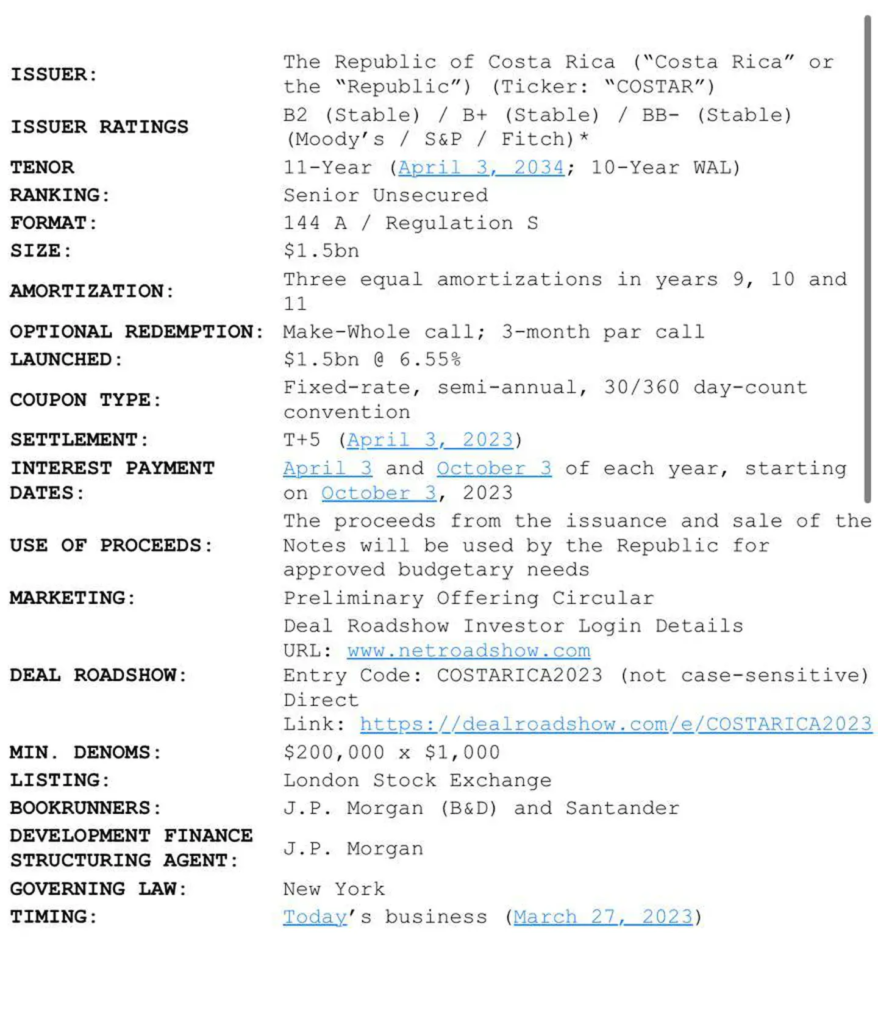
    In the financial sphere, the issuance of Eurobonds has become a key tool for countries seeking to access international capital markets and secure long-term financing. Costa Rica’s recent announcement of the initiation of a new series of $1.5 billion Eurobonds, with a 31-year horizon to maturity in 2054, is a clear sign of the country’s ambitions to strengthen its financial infrastructure and meet its long-term fiscal objectives.

    At Clare Facio Legal, we recognize that this step forward in the country’s financial strategy not only demonstrates the confidence of international markets in the Costa Rican economy, but also sets a precedent for the government’s debt management and financial planning. As firm believers in Costa Rica’s potential and as advocates of economic development through smart investment, we are positioned to analyze and discuss the impact and implications of this financial move for market players and the economy at large.

    With an expert look at the economic and legal context, in the following exploration, Clare Facio Legal will detail how this milestone fits into a broader financial development strategy and how it can serve as a catalyst for future investment and sustainable growth in the country.

    Costa Rica launches $1.5 billion in Eurobonds in the market.

    Costa Rica’s recent move in the international markets, with the issuance of $1.5 billion Eurobonds, is a reflection of a carefully calibrated financial strategy that seeks to optimize the country’s debt profile and secure resources for long-term development projects. This issue, which matures in 2054, is distinguished by its long maturity, which allows for a long-range financing vision and a sign of confidence in the country’s financial and economic institutions.

    The amortization structure of the bonds, with equitable payments scheduled for the years 2052, 2053 and 2054, and an interest rate of approximately 8%, reflects a financial planning that seeks to balance fiscal burdens over time, avoiding excessive pressures on public finances at any specific point in the time horizon. This rate, in the current market context, is considered competitive and reflects a balance between the cost of borrowing and attracting investors.

    Support from the Legislature to place up to $5 billion in debt over a 3-year term.

    This effort is part of a broader plan, endorsed by the Legislative Assembly, which authorizes the placement of up to $5 billion over three years, demonstrating a structured, long-term financing strategy aligned with the country’s fiscal and development objectives. The fact that this is the second issuance for a similar amount this year underscores Costa Rica’s ability to access external financing on favorable and sustainable terms.

    At Clare Facio Legal, we believe that current debt management and financing operations are indicative of long-term government management. In this context, we offer our knowledge and experience to advise our clients, both local and international, in understanding and taking advantage of the opportunities that these financial events present.

    Our finance and commercial law practice and multi-language capability uniquely positions us to provide expert guidance in navigating the debt markets, investing in sovereign bonds and assessing the legal and tax implications of these financial transactions.

    These types of financial operations not only capture the attention of investors because of the potential for return, but they are also a barometer of a country’s economic health and its ability to meet its long-term obligations. Therefore, the analysis of these movements becomes an essential component for any entity interested in Costa Rica’s financial dynamics.

    Costa Rica’s issuance of Eurobonds is not only a sign of confidence and stability, but also serves as a call to action for those seeking to participate in the country’s economic growth.

    At Clare Facio Legal, we are ready to assist investors in interpreting these developments and executing investment strategies that align with this new and auspicious financial environment.

    What is a Eurobond?

    Eurobonds, in the Costa Rican context, are external debt instruments issued by the Ministry of Finance for the purpose of raising funds from international creditors. This type of debt allows the Costa Rican government to borrow in global markets, generally on more favorable terms than those it would find locally. The need to resort to Eurobonds arises in order to diversify the sources of loans and find more competitive interest rates than those available domestically.

    In Costa Rica, these bonds are usually contracted in dollars and offer a specific amount of money, along with an interest rate and a defined term for repayment. They are known as Eurobonds because they were originally implemented in Europe, and although the name may suggest so, they are not necessarily issued in Euros. Traditionally, these bonds have paid semi-annual interest to their holders.

    The Costa Rican government has turned to this financing mechanism in order to service and restructure its domestic debt. Faced with higher domestic interest rates, Eurobonds present a lower interest debt option, allowing the government to manage its debt burden more efficiently and free up resources to reduce the fiscal deficit and finance public expenditures without competing with the private sector for local financing, which could raise domestic interest rates.

    To conclude on the recent initiation of Costa Rica’s Eurobond issuance, we can affirm that this move is a tangible demonstration of the confidence that the international market has in the country’s stability and economic prospects. The issuance of a new series of Eurobonds for $1.5 billion, with a term of 31 years and maturing in 2054, reflects a strategic effort by the Ministry of Finance to optimize the country’s debt profile and to efficiently finance budgetary and public investment needs.

    These operations, which include three equal amortizations in the last three years of the bond and an interest rate of approximately 8%, are in line with the plan approved by the Legislative Assembly, which contemplates the placement of up to $5 billion in a three-year term. This is a positive indicator of the financial management and long-term planning being carried out by the government, which undoubtedly contributes to a solid image of Costa Rica in the international financial markets.

    At Clare Facio Legal, we understand the importance of these developments for our clients and the impact they have on investment and financing decisions. With a focus on providing specialized legal advice, we are prepared to guide investors and financial entities through the complexities of the Costa Rican capital markets, taking advantage of the opportunities that arise from these financial dynamics to maximize their results and consolidate their presence in the country’s economic environment.

    Image of the first Eurobond placed on March 27, 2023.
  • Investment rating agencies upgrade Costa Rica’s outlook.

    Investment rating agencies upgrade Costa Rica’s outlook.

    In a global economic climate where certainty has become a precious commodity, the recent news of Costa Rica’s upgraded credit rating is a watershed for the country’s financial and investment outlook. These developments not only reflect the strength and resilience of the Costa Rican economy, but also open up a range of opportunities for investors looking to expand into markets with sound economic fundamentals and responsible fiscal policies.

    At Clare Facio Legal, a boutique law firm with deep experience in advising national and international clients, we recognize the importance of these rating upgrades by renowned agencies such as Moody’s Investors Service and Standard and Poor’s (S&P). These developments are a clear indication of the positive direction the country has taken, marking a milestone in its financial history and providing an encouraging message to the global investment community.

    As legal facilitators at the epicenter of Costa Rica’s economic activity, we are proud to be participants and witnesses of this change that will undoubtedly place the country in a more favorable position on the international stage. In the following exploration, we will detail how these changes in risk ratings positively impact Costa Rica’s image in the eyes of investors, and how Clare Facio Legal offers the experience and knowledge to navigate this renewed economic environment.

    Costa Rica upgraded from B1 to B1 and BB- by Moody’s and S&P

    With the recent upgrade of Costa Rica’s credit ratings by recognized international agencies, there is a promising outlook for the country in terms of attracting foreign investment and consolidating confidence in its economy. Moody’s Investors Service has upgraded Costa Rica’s long-term credit rating to B1, reflecting a positive outlook for the country, a significant improvement from the previous B2 rating. This rating is based on the central government’s fiscal consolidation and robust economic growth, suggesting more favorable access to external financing.

    Standard and Poor’s (S&P) has also recognized Costa Rica’s fiscal efforts, upgrading its sovereign rating to “BB-“, which indicates recognition of the fiscal discipline and the medium-term fiscal path proposed by the Government. These upgrades are not isolated events but part of a positive pattern that includes maintaining a stable outlook for the country.

    These advances are a testament to Costa Rica’s commitment to policies that foster a stable and predictable economic environment, fundamental aspects for investors when making strategic decisions. In this context, Clare Facio Legal, as a boutique law firm in Costa Rica, underscores the importance of this risk rating upgrade and how it reflects an unprecedented opportunity for investors seeking to expand their horizons in an emerging market that shows clear signs of stability and growth. With a team of legal and financial advisory experts, Clare Facio Legal is positioned as a strategic ally for those who wish to successfully navigate Costa Rica’s promising economic landscape.

    The recent upgrade of Costa Rica’s credit ratings by Moody’s Investors Service and Standard & Poor’s is a testament to the country’s strength and determination to follow a path of fiscal consolidation and economic stability. At Clare Facio Legal, we interpret this development as an unequivocal sign that Costa Rica is positioning itself firmly on the radar of international investors.

    This upward trend in confidence in the Costa Rican economy is not only a catalyst for attracting foreign direct investment, but also stands as a pillar that strengthens the country’s reputation as a safe and reliable destination for business expansion and long-term project development.

    A promising future is on the horizon for Costa Rica and, at Clare Facio Legal, we are committed to being the strategic allies our clients need to take advantage of the new opportunities that this improvement in the country’s risk outlook presents. We offer a comprehensive legal advisory platform, characterized by excellence, experience and a deep understanding of Costa Rica’s legal and economic environment, pillars that allow us to propel our clients towards success in this new and auspicious chapter of the national economy.

  • Key aspects to migrate to Costa Rica: 10 essential questions answered by Clare Facio legal

    Key aspects to migrate to Costa Rica: 10 essential questions answered by Clare Facio legal

    Costa Rica, known for its biodiversity, stunning landscapes and commitment to peace, has long been a magnet for those wanting a change of scenery. Its rich culture, an amalgamation of indigenous, European and Afro-Caribbean influences, together with an enviable economic and political stability in the region, makes the country an attractive destination for those looking for a new home or a serene refuge to live.

    In addition to its natural and cultural attractions, Costa Rica has established itself as an ideal place to invest. Thanks to a strong commitment to education, the country has trained high-quality STEM (Science, Technology, Engineering and Mathematics) professionals, becoming a hotbed of talent in areas of technology and applied sciences. This commitment to training has attracted numerous multinational companies that are looking for highly trained human capital.

    At the same time, the boom in the real estate sector reflects the confidence of investors and expatriates in the stability and high quality of life that the country offers and that the political and social security of Costa Rica, combined with a stable democracy and a history of peace, has cemented its reputation as one of the safest and most promising destinations in Latin America.

    However, behind the dream of “Pura Vida” and paradisiacal beaches, there is a path full of paperwork and legal procedures that every aspiring resident must face. The process to legally settle in Costa Rica, although structured, can be complex and at times overwhelming, especially for those who are not familiar with the Costa Rican legal system.

    Immigration procedures, with their multiple requirements, deadlines and documents, translations and apostilles, require a clear and precise understanding to be navigated successfully.

    In the midst of this intricate bureaucratic labyrinth, Clare Facio Legal emerges as a beacon of clarity and trust. With years of experience in the immigration, commercial, corporate and real estate fields, and a team of experts dedicated to staying up to date with constant legal updates, our firm is prepared to guide you every step of the process.

    Whether you are considering moving to Costa Rica, have already started your immigration process, or are simply exploring your options, Clare Facio Legal is here to assist you.

    In this article, we present 10 essential points for anyone looking to start a temporary or permanent residency process. We hope that this article offers you a clear and concise vision of what you can expect and how you can prepare in the best way.

    Below we present a series of 10 essential questions and concepts about the immigration processes in Costa Rica. 

    Imagen aves migratorias - Clare Facio Legal

    1. Permanent residence: How is it obtained?

    Permanent residence is a desire for many foreigners who wish to establish themselves in Costa Rica long term. To obtain it, there are certain criteria that must be met:

    One of the most direct ways is to have a family bond with a Costa Rican, whether as a father, mother, brother or son. Another viable option is to have resided in the country with temporary residence continuously for three years. However, it is essential that the immigration identity document (DIMEX) for foreigners is valid at the time of requesting the change to permanent residence.

    2. The security deposit: An essential requirement

    The security deposit may sound disconcerting. In essence, it is a deposit of cash that every foreign person must make upon being authorized to enter or remain in Costa Rica.

    This deposit acts as collateral in the unfortunate event that the person commits a crime and must be deported. The amount is determined taking into account 75% of the cost of a travel ticket to your country of origin or habitual residence in the last five years before your legal stay in Costa Rica. This implies that the cost of the deposit will be different depending on the cost of the flight to the country of the person in question.

    It is important to note that, under certain circumstances, it is possible to request a refund of this deposit. At Clare Facio Legal, we can guide you through this process and ensure that you fully understand your rights and obligations in relation to escrow.

    3. What is the duration of the immigration process?

    One of the aspects that usually generates the most concern among aspiring to reside in Costa Rica is the time that the immigration process can take.

    According to article 200 of the General Immigration and Immigration Law 8764, the immigration section has a period of three months (90 days) to resolve a file, once all requirements have been met. It is essential to understand that although there is a time frame stipulated by law, each case is unique and there may be variations in the duration.

    It is necessary to emphasize that although this is a deadline stipulated by law, it is extremely rare for it to be met. So far in 2023, immigration can take 1 year and often more… to respond to a file, here lies the importance of those interested in formalizing their migration process to have the services of a law firm like Clare Facio Legal, to be able to resort to appeals and force responses or rulings in favor of the client’s interests and in order to enforce the law of the country in respect and observation of current law.

    Having said the above, it is equally pertinent and essential to advise foreigners interested in obtaining their residency to “arm themselves with patience” and why not a little “self-denial” since even making use of all the legal tools at the disposal of the Immigration and Immigration, as well as the appeal laws and regulations and regulatory comptrollers, the truth is that the process is infamous for its very slow resolution of files.

    Clients of Clare Facio Legal can understand that our immigration affairs department schedules and pursues the expeditious processing of our clients’ needs and we will advise them on what processes to follow for a more expeditious and satisfactory resolution. One of the common and most interesting options is for the cases of Investors and Digital Nomads, which you can read in the link below.

    4. What is the DIMEX QR code?

    Technological advance has also reached the Costa Rican immigration sphere. Starting January 2, 2023, foreigners who process their Documentation process will receive a Migratory Identity Document for Foreigners (DIMEX) in digital format, thus replacing the old card.

    This digital version of the DIMEX will come with a QR code, which contains non-sensitive information of the owner, and can be consulted through an institutional website to verify the authenticity and validity of the document. This advance not only simplifies the identification process, but also reinforces the security and transparency of immigration procedures.

    It is important to highlight that both the digital and physical DIMEX have official validity granted by the General Directorate of Migration and Immigration (DGME).

    5. Permanence in the country: Myths and realities

    A common misunderstanding among those who obtain residency in Costa Rica is the belief that they must remain in the country for a full year without interruptions. However, reality is more flexible. Once residency is granted, whether temporary or permanent, the permitted absence varies:

    • Permanent residents can leave the country for up to four years.
    • Temporary residents have a two-year absence limit.
    • Those with Special Category cannot be absent for more than one year.

    It is vital to be informed and properly plan your trips abroad so as not to compromise your immigration status. At “Clare Facio Legal”, we advise you so that you can enjoy your freedom of movement without worries, always guaranteeing compliance with the relevant regulations.

    Imagen familia en la playa - Clare Facio Legal

    6. Dependents: Can my children be considered?

    The family is a fundamental pillar and is recognized in the political constitution of Costa Rica, which recognizes this importance in its immigration procedures. If you are considering moving your family to the country, it is essential to know that your children may be considered dependents in your immigration process. However, there are certain conditions:

    • Children must be under 25 years of age to be considered dependents.
    • If you have children with a disability, a medical opinion is required for them to be considered dependents, regardless of their age.

    It is important to consider that, once the children reach the age of majority (25 years), they must begin an independent residence process.

    At “Clare Facio Legal”, we strive to ensure that your entire family can enjoy the benefits of Costa Rica, and we assist you at every step to ensure that all members of your family are adequately represented in the immigration procedures.

    7. Obtaining Costa Rican citizenship: Steps towards a new beginning

    Becoming a Costa Rican citizen is a significant step that can open many doors, from political rights to a deep sense of belonging to Costa Rican culture and society. Obtaining citizenship can be achieved through several paths:

    • Naturalization by residence: If you have officially resided in the country for five years (if you are Central American, Ibero-American or Spanish by birth) or for seven years for other nationalities, you can apply for citizenship.
    • Those people who have resided in Costa Rica for more than twenty years can also opt for citizenship.
    • If you have been married to a Costa Rican citizen for two years and have lived in the country for that same period, this is another viable path to citizenship.
    • In the case of children of a Costa Rican father or mother who were born abroad, nationality is granted automatically, regardless of whether they are over or under 25 years of age.

    8. Submission of residency application: Opportunities and limitations

    The idea of settling in Costa Rica is exciting, but knowing the right time to submit your residency application is essential. Foreigners authorized to enter and remain in the country under the immigration category of tourist have a window of opportunity to extend their stay, submitting a residency process in the country. However, if they exceed the period of permanence initially granted and wish to submit the residency process, they will face a penalty: they must pay an amount of one hundred dollars (US$100.00) for each month of expired visa.

    9. Residence in other countries: Does it interfere with my status in Costa Rica?

    No, we live in a globalized world where it is not uncommon for people to have ties and commitments in multiple countries. If this is your case, you may be wondering how a residency in another country can affect your status in Costa Rica. The good news is that having residency in another country will not affect your residency process or status in Costa Rica. A foreign person can, in fact, have several simultaneous residences. However, it is essential to distinguish between residence and nationality: although you can have multiple residences, the law limits the possession of more than two nationalities.

    At “Clare Facio Legal”, we understand the complexities that can arise when having ties to multiple countries and we are here to ensure that your rights and status in Costa Rica are protected and clear.

    10. Lost or expired passports: What to do if there is no diplomatic representation in Costa Rica?

    Losing a passport or facing an expired passport in a foreign country is a situation that can cause a lot of stress and worry. If you are in Costa Rica and there is no diplomatic or consular representation of your country, all is not lost. Costa Rica offers a solution: the Travel Identity Document (DIV). This document, which costs $164 and is valid for two years, is granted in special circumstances and can be used for travel. However, it is essential to check in advance with the embassy or consulate of the country you plan to go to to ensure that they recognize and accept this type of passport.

    “Clare Facio Legal” is here to guide you through these unexpected situations and ensure you have the information and support necessary to resolve them effectively.

  • Clare Facio Legal joins the world day of fight against breast cancer.

    Clare Facio Legal joins the world day of fight against breast cancer.

    October 19 is the World Breast Cancer Awareness Day, a disease that annually claims the lives of thousands of people around the world. It is in this scenario, that the law firm Clare Facio Legal decides to join the awareness campaigns about this disease, not only internationally, but with a particular focus on Costa Rica.

    The fight against breast cancer is a task that requires a collective effort to promote early detection and ensure the necessary support for those facing this disease. Clare Facio Legal, being an actor committed to the welfare of Costa Rican and international society, joins this cause in order to contribute to the construction of a healthier and more supportive future.

    Some facts about breast cancer.

    Breast cancer represents one of the most common types of cancer in the world. According to data from the World Health Organization (WHO), about 2.3 million new cases are diagnosed each year. According to the World Health Organization, in 2020, approximately 685,000 people died from breast cancer worldwide.

    In Costa Rica, the panorama is no stranger to this global reality; breast cancer is the most frequent type of cancer among Costa Rican women. In our specific context, between 1,300 and 1,500 new cases of breast cancer are registered annually, which is equivalent to about four new diagnoses per day. In addition, it should be noted that between 0.7% and 1% of these cases occur in men, that is, between 10 and 12 men are diagnosed with breast cancer each year in the country.

    For its part, the Ministry of Health through the Directorate of Health Surveillance, recorded 416 deaths from breast cancer during 2021, representing a decrease of 2.6% compared to 2020 where 427 deaths were recorded.

    55% of the deaths from breast cancer registered in 2021 were in the 40 to 69 years age group. The province with the highest breast cancer mortality rate is Cartago, with 18.44 deaths per 100,000 women.

    Risk Groups:

    The main risk factor for breast cancer is female gender. However, between 0.5% and 1% of cases of this disease affect men. Despite the gender difference, the principles of treatment for breast cancer are consistent for both men and women.

    Several factors can increase the risk of developing breast cancer, including advancing age, obesity, harmful alcohol consumption, family history of breast cancer, previous exposure to radiation, reproductive history (such as age at onset of menstrual periods and age at first pregnancy), tobacco use, and postmenopausal hormone treatment.

    Notably, about half of breast cancer cases are diagnosed in women who have no identifiable risk factors other than being female and over 40 years of age.

    Although a family history of breast cancer may increase the risk of breast cancer, most women diagnosed with breast cancer do not have a known family history of the disease. The absence of a known family history does not necessarily imply a lower predisposition to breast cancer.

    In terms of genetics, certain inherited mutations of high penetrance can substantially elevate the risk of breast cancer. The most prevalent mutations are found in the BRCA1, BRCA2 and PALB2 genes. Women who carry mutations in these critical genes may consider risk reduction strategies, such as bilateral prophylactic mastectomy.

    Indicators and Manifestations: Breast cancer may reveal itself through various symptomatic manifestations, particularly in advanced stages. In the early stages, most people will not experience noticeable symptoms.

    Manifestations of breast cancer may include:

    • Presence of a lump or thickening in the breast, which is usually not painful;
    • Alteration in the size, shape, or appearance of the breast;
    • Emergence of dimpling, redness, cracks, or other changes in the skin of the breast;
    • Change in the appearance of the nipple or surrounding skin (areola);
    • Abnormal or bloody discharge from the nipple.

    It is highly advisable for people who discover an unusual breast lump to seek medical attention, even if the lump is not painful.

    It should be noted that most nodules detected in the breast are not cancerous. Treatment of cancerous breast lumps is most effective if the lumps are small in size and have not spread to adjacent lymph nodes.

    Breast cancer has the potential to spread to other regions of the body, generating other symptoms in the process. Commonly, the lymph nodes in the armpit are the first location where dissemination can be identified, although it is feasible to have affected lymph nodes that are not detectable.

    Over time, cancer cells can migrate to other parts of the body, including the lungs, liver, brain and bones. As they reach these areas, new cancer-associated symptoms, such as bone pain or headaches, may emerge.

    Observation and Prevention of Breast Cancer:

    Observation and prevention are two fundamental pillars in the fight against breast cancer. Early diagnosis can make a significant difference in the treatment and prognosis of this disease.

    • Breast Self-Examination:
      • It is vital that women and men become familiar with the normal appearance and texture of their breasts. Performing monthly self-examinations can help identify any changes or abnormalities, such as lumps or thickening.
    • Mammograms:
      • Mammograms are a crucial tool for the early detection of breast cancer. Experts recommend that women begin having annual mammograms at age 40, or earlier if they have risk factors.
    • Regular Medical Consultation:
      • Regular medical screening, including clinical breast examinations by a health professional, is crucial for early detection.
    • Healthy Lifestyle:
      • Maintaining a healthy lifestyle that includes a balanced diet, regular exercise, and avoidance of smoking and excessive alcohol consumption can help reduce the risk of breast cancer.
    • Awareness of Risk Factors:
      • Knowing and understanding personal risk factors, including family history and genetic factors, can help in making informed decisions about breast cancer surveillance and prevention.
    • Genetic counseling:
      • For those at high genetic risk, genetic counseling can provide valuable information on prevention and early detection strategies.
    • Education and Awareness:
      • Promoting breast cancer education and awareness in the community can contribute to early detection and greater understanding of the disease.

    Prevention and proactive observation are essential in the fight against breast cancer. Adopting preventive measures and being aware of any changes in the body can significantly contribute to improving survival and quality of life for those facing this disease. Clare Facio Legal, by joining breast cancer awareness campaigns, seeks to encourage these essential practices and support the ongoing fight against this prevalent disease.

    At Clare Facio Legal we call for solidarity and action. It is critical that both men and women get regular screenings, as early detection can be crucial to successful treatment. In addition, it is vital that, as a society, we provide the emotional support and resources necessary for those who are battling breast cancer.

    The firm urges other players in the legal and business sectors to join this noble cause, reiterating its commitment to the health and welfare of the community. Awareness campaigns are a powerful tool to generate positive change, and Clare Facio Legal is proud to be part of this global and local movement for health and solidarity.

    In this month of breast cancer awareness, Clare Facio Legal wears pink, symbolizing its support and commitment to this transcendental cause. It is a moment of reflection, action and union, values that this law firm supports and actively promotes in its daily work.

  • Increase in the frequency of Air France flights between Costa Rica and France: Up to 5 flights per week

    Increase in the frequency of Air France flights between Costa Rica and France: Up to 5 flights per week

    Costa Rica watches with pleasure as Air France increases the flights connecting Costa Rica with France to 5. This article will provide detailed information on this increase in flight frequency and its impact on both travelers and commercial relations between these two important global destinations.

    Consolidation of Air France in the Costa Rican market

    Air France has demonstrated unwavering confidence in the Costa Rican market, expanding its offering to five weekly flights between San José and Paris. This expansion is a reflection of the high demand from travelers looking for direct flights between Costa Rica and France, consolidating Air France as a preferred option for travelers.

    The five weekly flights represent a significant investment in improving Air France services, focusing on providing a superior flying experience for passengers. This increase in frequency will also contribute to the growth of tourism and bilateral trade between both countries.

    Benefits for travelers

    This increase in flight frequency provides travelers with greater flexibility and convenience in planning their trips. The flights are operated by modern and comfortable aircraft, offering passengers a wide variety of on-board services.

    Additionally, flight schedules have been optimized to facilitate connections to other destinations in Europe and Africa, meaning passengers have even more options at their disposal.

    Impact on trade and tourism

    The consolidation of Air France in Costa Rica also has a significant impact on trade and tourism between the two countries. Increased flight frequency provides more opportunities for bilateral trade, facilitating the transportation of goods and fostering trade relations.

    Furthermore, the expansion of Air France services also boosts tourism, allowing more travelers to discover the natural wonders of Costa Rica and the rich culture of France.

    Imagen avion - Clare Facio Legal

    Increase in Air France flights between San José and Paris: A legal, commercial and tourist analysis

    The international air transport landscape is constantly changing. A recent and significant example is the increase in Air France flights between San José, the capital of Costa Rica, and Paris, the capital of France. This expansion is more than a simple adjustment in flight itineraries, it represents important implications in legal, commercial and tourist terms. This article dives into these aspects, exploring the benefits and challenges that come with this change in flight frequency.

    Legal implications and air regulations

    Air France, following the guidelines of international aeronautical legislation, has consolidated its presence in the Costa Rican market, increasing its offer to five weekly flights between San José and Paris. This fact is the result of careful management and negotiation between the aviation authorities of both countries, who have seen in this increase in the supply of flights an opportunity to enrich bilateral relations.

    It is crucial to note that each additional flight requires compliance with specific rules and regulations regarding air safety, air traffic management and passenger rights, among others. These legal aspects are essential to guarantee a safe and efficient operation.

    Increase in commercial activity 

    From a business perspective, this increase in flight frequency represents a stimulus for commercial activity between Costa Rica and France. It will facilitate the exchange of goods and services, improve company logistics and allow greater integration of the economies of both countries.

    Furthermore, this increase in flights is a positive signal for the business sector, as it demonstrates Air France’s commitment to Costa Rica and its confidence in the country’s potential as an important commercial partner.

    Tourism as an engine of growth

    On the other hand, in the tourism sector, this increase in the frequency of flights promises an increase in the flow of visitors between both countries. Costa Rica, known for its rich biodiversity and vibrant culture, will benefit greatly from this expanded connectivity with France.

    Likewise, Costa Ricans will have more opportunities to explore France, with its world-famous tourist attractions, rich history and renowned cuisine.

    Clare Facio as a French-speaking law firm

    Clare Facio Legal celebrates the increase in flights between Costa Rica and France, as a trilingual and French-speaking law firm, we are excited to see that the commercial intentions of a company like Air France correspond to the good business, investment and tourism climate that a good part of our client portfolio already experiencing and enjoying in Costa Rica.

    These types of opportunities and signs of an ideal business climate motivate us to work so that our clients find more and better opportunities for growth and development.

    Final reflection

    The increase in Air France flights between San José and Paris is an important milestone in relations between Costa Rica and France. This change not only offers direct benefits to travelers, but also has profound legal, commercial and tourism implications. This analysis has provided.

  • Wanderlust highlights the experience of traveling to Costa Rica as a responsible and sustainable experience.

    Wanderlust highlights the experience of traveling to Costa Rica as a responsible and sustainable experience.

    Wanderlust magazine has placed a rainbow-billed toucan perched on a branch on its cover with the title “Immerse yourself in Costa Rica”, which, without a doubt, makes the entire country proud.
    In both its printed and digital versions, it highlights Costa Rica as a sustainable country ideal for an extremely ecological visit.

    In addition, the country has been included as one of the most prominent destinations in Latin America and the world in The Travel Green List, which showcases champions of sustainable travel.

    In the magazine there is a wonderful report written by Nikki Solano, which mentions a guide to plan a trip to Costa Rica and gives recommendations to visit the different ecosystems that the country has, such as La Fortuna, Lake Arenal , Monteverde, downtown San José, the Central Valley, the Pacific coast, Nosara, Drake Bay and the Golfo Dulce, as well as the Caribbean region.

    Places such as the Pacuare River, Cahuita and Puerto Viejo are also recommended, where visitors will find a mix of outstanding cultural elements and paradisiacal beaches, some of them with an Ecological Blue Flag. In addition, it is mentioned that this area is ideal for practicing sustainable trips.

    The magazine emphasizes the sustainability actions carried out by Costa Rica, which makes it one of the preferred destinations for the English and travelers committed to mitigating environmental impact. Readers are invited to visit the country and live unique experiences. William Rodríguez, Minister of Tourism, points out: “We proudly share the news of the extensive presence of Costa Rica in the print and digital editions of the prominent British travel magazine Wanderlust. This medium has dedicated the cover and an extensive 12-page report in one of its most recent publications, highlighting our country as a sustainable destination that generates impact on communities and social progress through its tourism model.

    During the first four months of the year, Costa Rica received 967,820 tourists by air, and of that number, the United Kingdom occupies third place as the market for sending tourists to Costa Rica from Europe, with 31,390 visitors. Wanderlust has been in circulation as a travel magazine in the United Kingdom for more than 30 years and focuses on tourism interested in sustainability.

  • Costa Rica: The fourth country in the world in the use of green energy.

    Costa Rica: The fourth country in the world in the use of green energy.

    In an outstanding achievement for Costa Rica, the country has positioned itself as fourth in the world in terms of green energy utilization. This distinction reinforces Costa Rica’s commitment to sustainability and renewable energy generation as a key priority on its national agenda.

    The transition towards cleaner and more sustainable energy sources has allowed Costa Rica to reach a significant milestone in its energy matrix. With a focus on the development of hydroelectric, wind, solar, and geothermal projects, the country has managed to reduce its dependence on fossil fuels and maximize the use of renewably available natural resources.

    One of the highlights of Costa Rica’s energy landscape is the prominence of hydroelectric power. Taking advantage of the country’s rivers and bodies of water, large-capacity dams and hydroelectric plants have been built, which play a fundamental role in the generation of green energy. Projects such as the Arenal Dam and the Reventazón Hydroelectric Project have demonstrated the potential of water resources in the production of electricity. These initiatives have contributed significantly to the installed capacity and constant supply of renewable energy.

    Furthermore, Costa Rica has taken advantage of its abundance of natural resources to diversify its energy matrix. Wind and solar parks have been established in various regions of the country, taking advantage of constant winds and solar radiation to generate electricity sustainably. These projects have expanded rapidly in recent years, adding capacity to the national electrical grid and strengthening Costa Rica’s position as a leader in the use of green energy.

    Costa Rica’s commitment to green energy generation has also been driven by the development of geothermal projects. The country has rich geothermal potential due to its location on the Pacific Ring of Fire. Geothermal plants take advantage of the Earth’s internal heat to produce electricity in an efficient and environmentally friendly manner.

    Remarkable achievement of Costa Rica.

    This notable achievement of Costa Rica in the utilization of green energy not only has a positive impact on reducing greenhouse gas emissions and protecting the environment, but also strengthens its position internationally. The image of Costa Rica as a country committed to sustainability and the generation of renewable energy has been projected globally, which can open additional opportunities for attracting investments, developing clean technologies and international collaboration in the fight against climate change. climate change.

    In conclusion, Costa Rica has managed to position itself as the fourth country in the world in the use of green energy, thanks to its focus on the generation of renewable energy from sources such as hydroelectric, wind, solar and geothermal. This achievement reflects the country’s commitment to sustainability and its leadership in the transition towards a cleaner energy matrix. Costa Rica continues to be an inspiring example for other nations, demonstrating that it is possible to achieve high levels of green energy generation and promote a more sustainable future for all.

    Imagen de la Ciudad de San José

    Living in Costa Rica and reducing your carbon footprint

    Living in Costa Rica as an expat offers numerous opportunities for those individuals who are aware of their carbon footprint and committed to reducing it. The country, recognized for its focus on sustainability and green energy generation, provides an enabling environment to adopt more environmentally friendly practices.

    One of the ways a residency in Costa Rica can help reduce an expat’s carbon footprint is through the availability of sustainable housing options. In the Costa Rican real estate market, it is possible to find properties designed and built with criteria of energy efficiency and respect for the environment. These residences typically incorporate features such as solar energy systems, thermal insulation, rainwater harvesting and reuse, and smart technologies to optimize energy consumption.

    Additionally, Costa Rica offers a rich and diverse natural environment, giving expats the opportunity to enjoy a more sustainable lifestyle. The country has a wide network of national parks, biological reserves and protected areas that promote the conservation of biodiversity and the preservation of ecosystems. Living in Costa Rica, expats have access to beautiful natural landscapes and can participate in outdoor activities that encourage connection with nature, such as hiking, cycling, and ecotourism.

    Another relevant aspect is sustainable mobility. Costa Rica has promoted initiatives to encourage the use of cleaner and more efficient means of transportation, such as public transportation, bicycles, and electric vehicles. Many Costa Rican cities and communities are adapted for the use of bicycles and have infrastructure that promotes their use, such as cycle paths and charging stations for electric bicycles. Likewise, it is increasingly common to find charging points for electric vehicles throughout the country, which facilitates the transition towards more sustainable mobility.

    In addition to housing options and sustainable mobility, Costa Rica offers a wide variety of green products and services. Expats can easily find organic and fair trade products, as well as public transportation and responsible tourism options. Likewise, there are community initiatives and local organizations that promote sustainable lifestyles and the adoption of eco-friendly practices.

    Vivir en Costa Rica como expatriado brinda oportunidades significativas para reducir la huella de carbono y llevar un estilo de vida más sostenible. Desde la elección de una residencia sostenible hasta el aprovechamiento de la naturaleza y las opciones de movilidad verde, el país ofrece un entorno propicio para aquellos que desean ser conscientes de su impacto ambiental y contribuir a la preservación del medio ambiente. Al elegir Costa Rica como lugar de residencia, los expatriados pueden participar activamente en la construcción de un futuro más sostenible tanto a nivel personal como colectivo.

  • Foreigners from 60 countries will be able to stay up to 180 days in Costa Rica.

    Foreigners from 60 countries will be able to stay up to 180 days in Costa Rica.

    At Clare Facio Legal, we have observed with interest the recent modifications in Costa Rica’s immigration policies related to the length of stay allowed for tourists. In order to provide a clearer understanding of this change, we would like to share the following analysis.

    On June 15, Costa Rica implemented an amendment to the Regulation for the Granting of Entry Visas, extending the period of stay for tourists belonging to a specific group of 60 countries, from 90 days to 180 days. This modification affects nationals of countries such as the United States, Denmark, Spain, Germany, France and Canada. At the end of this article you will find the complete list of countries and their dependencies that apply to the term extension.

    This measure, promoted by the Ministry of Economy under the leadership of Francisco Gamboa, is part of a series of actions that the government has baptized as the “Let him work” strategy. This series of measures seeks to eliminate certain “bottlenecks” that have been identified as limiting factors in different sectors of the country.

    Mr. Gamboa highlighted the request made by the National Chamber of Tourism (Canatur) to carry out this expansion. Canatur argued that the previously established deadline was insufficient to encourage greater consumption by tourists in the country. With the extension of the period of stay, it is expected that visitors will be able to increase their spending in Costa Rica, which in turn will boost the national economy.

    The extension of the stay not only seeks to encourage tourism consumption, but also lays the groundwork for an environment conducive to investment and development. With longer periods of stay, there is a greater likelihood that tourists will consider investing in the country, whether in real estate, local businesses or even in the technology and entrepreneurial sphere.

    Additionally, this measure can translate into job creation by stimulating demand in tourism-related sectors such as hotels, gastronomy, transportation, among others. It is clear that, with greater stability in the tourism sector due to extended stays, the country is favorably positioned to attract visitors seeking longer and more meaningful experiences on Costa Rican soil.

    It is also important to emphasize that, in addition to the extension of the length of stay, the tourism sector has made other requests to the President. These include: strengthening the fight against drug trafficking, increasing investment in education and training of tourism personnel, addressing the historical backlog in infrastructure, and improving broadband connectivity in tourist destinations, among others.

    At Clare Facio Legal we recognize the importance of constantly adapting and reviewing policies and regulations to ensure balanced and sustainable development. The extension of the length of stay for tourists is a measure that reflects the country’s commitment to promoting tourism and, consequently, to the activation of its economy. We will continue to be attentive to the implications and future developments that this change may generate in the legal and business environment.

    List of 60 countries with the possibility of staying up to 180 days in Costa Rica.

    GERMANY

    2. ANDORRA

    3. ARGENTINA*.

    4. AUSTRALIA*.

    5. AUSTRIA

    6. BAHAMAS

    7. BARBADOS

    8. BELGIUM

    9. BRAZIL

    10. BULGARIA

    11. CANADA

    12. CROATIA

    13. CHILE

    14. CYPRUS

    15. DENMARK*.

    16. UNITED ARAB EMIRATES

    17. SLOVAKIA

    18. SLOVENIA

    19. SPAIN

    20. STATE OF QATAR

    21. UNITED STATES OF AMERICA*.

    22. ESTONIA

    23. FINLAND

    FRANCE* 24.

    25. HUNGARY

    IRELAND

    27. ICELAND

    28. ISRAEL

    29. ITALY

    JAPAN

    31. LATVIA

    32. LIECHTENSTEIN

    33. LITHUANIA

    34. LUXEMBOURG

    35. MALTA

    36. MEXICO

    37. MONTENEGRO

    38. NORWAY

    NEW ZEALAND* 39. NEW ZEALAND* 39. NEW ZEALAND* 39. NEW ZEALAND* 39. NEW ZEALAND

    40. NETHERLANDS (NETHERLANDS) *

    41. PANAMA

    42. PARAGUAY

    43. POLAND

    44. PORTUGAL

    45. PRINCIPALITY OF MONACO

    46. SAN MARINO

    47. PERU

    48. PUERTO RICO

    49. SERBIA

    SOUTH AFRICA

    51. UNITED KINGDOM OF GREAT BRITAIN AND NORTHERN IRELAND**

    52. CZECH REPUBLIC

    53. REPUBLIC OF KOREA (SOUTH KOREA)

    54. HELLENIC REPUBLIC (GREECE)

    55. ROMANIA

    56. HOLY SEE (VATICAN)

    57. SINGAPORE

    58. SWEDEN

    59. SWITZERLAND

    60. TRINIDAD AND TOBAGO

    61. UKRAINE

    62. URUGUAY

    *Its dependencies receive equal treatment. **Includes England, Wales and Scotland

    • ARGENTINAS
      • MALVIN ISLANDS
    • AUSTRALIAN
      • COCOS ISLANDS
      • CHRISTMAS ISLANDS
      • HEARD AND McDONALD ISLANDS
      • NORFOLK ISLANDS
    • BRITISH
      • ANGUILA
      • ASCENSION
      • BERMUDAS
      • GIBRALTAR
      • CAYMAN ISLANDS
      • CANAL ISLANDS
      • ISLANDS OF MAN
      • PITCAIRN ISLANDS
      • TURKS AND CAICOS ISLANDS
      • BRITISH VIRGIN ISLANDS
      • MONSERRAT
      • SAINT HELENA
      • BRITISH INDIAN OCEAN TERRITORY
    • DANESAS
      • GROENLAND
      • FEROÉ ISLANDS
    • AMERICANS
      • GUAM
      • SMALLER ISLANDS FAR FROM THE UNITED STATES
      • U.S. VIRGIN ISLANDS
      • AMERICAN SAMOA
    • FRENCH
      • GUADALUPE
      • FRENCH GUYANA
      • MARTINICA
      • MAYOTTE
      • NEW CALEDONIA
      • FRENCH POLYNESIA
      • MEETING
      • SAN PEDRO AND MIGUELON
      • SAN MARTIN
      • FRENCH SOUTHERN TERRITORIES
      • WALLIS AND FORTUNE
    • DUTCH (NETHERLANDS)
      • NETHERLANDS ANTILLES
      • ARUBA
      • BONAIRE
      • CURAZAO
    • NEOZELANDESAS
      • COOK ISLANDS
      • NIUE
      • TOLKELAU
    • NORWAY
      • BOUVET ISLANDS
      • SVALBARD AND JAN MAYEN
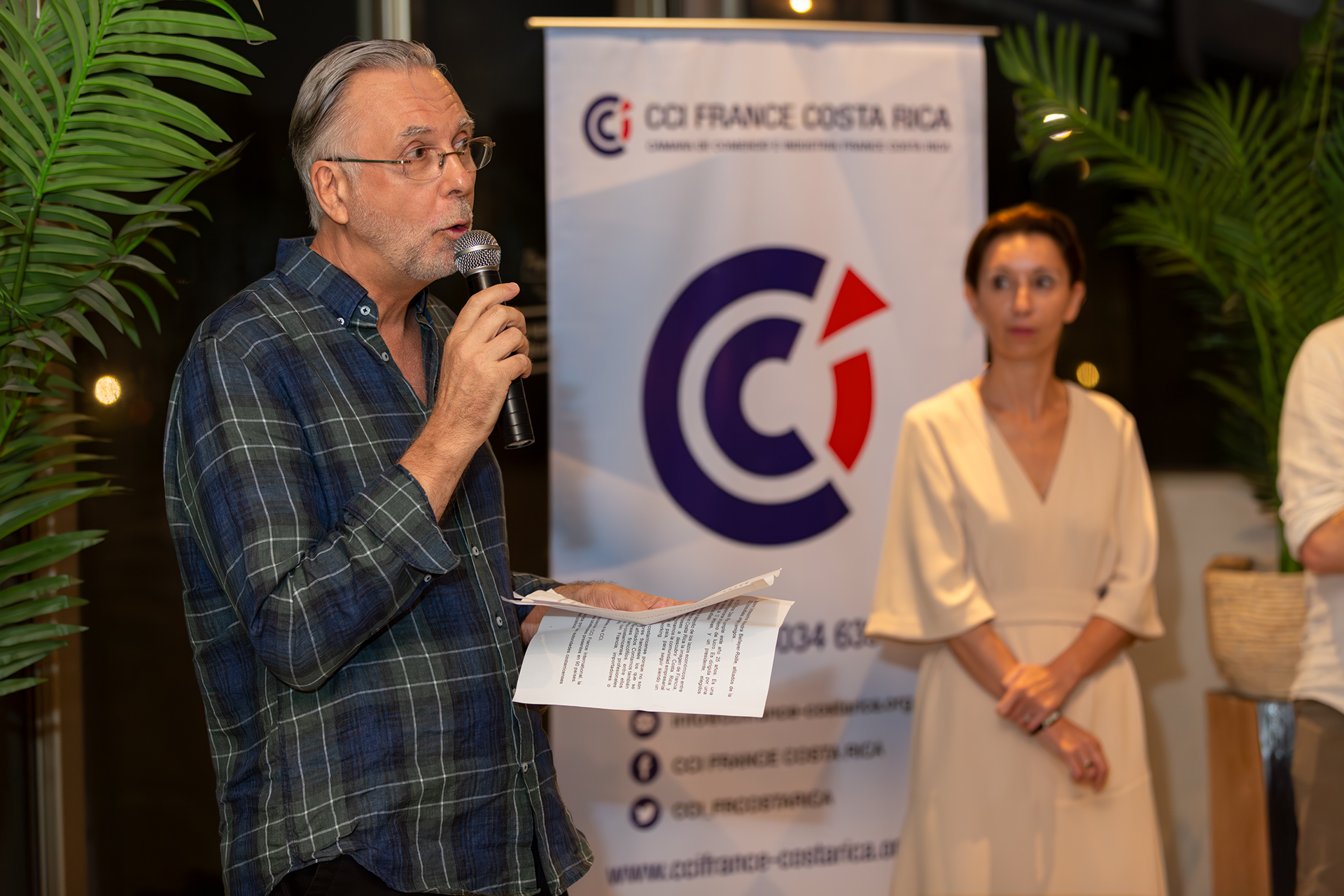
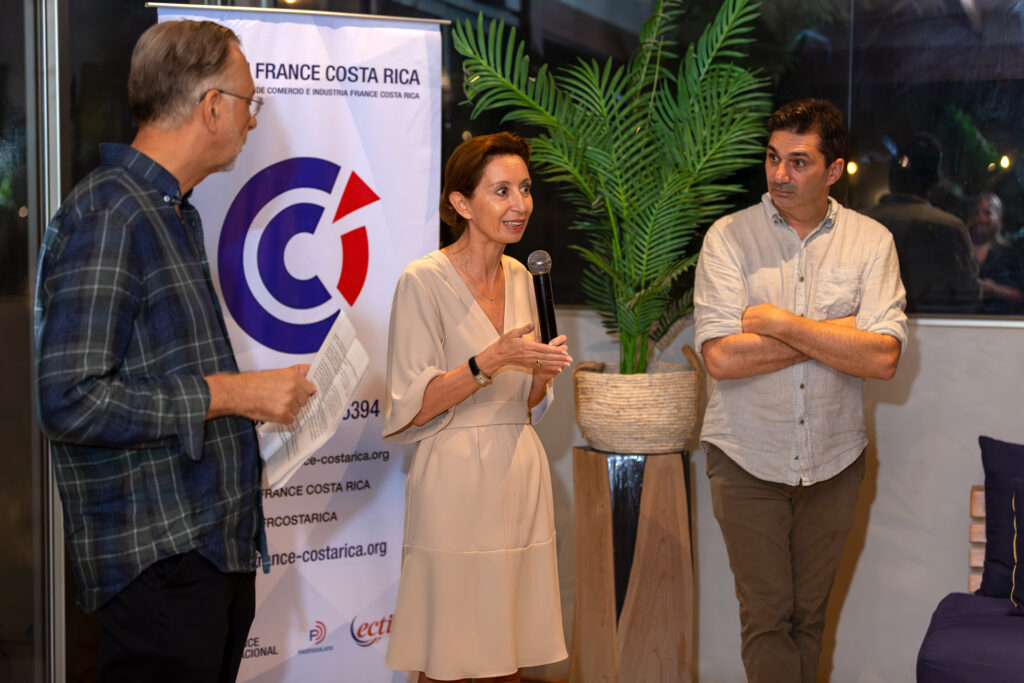
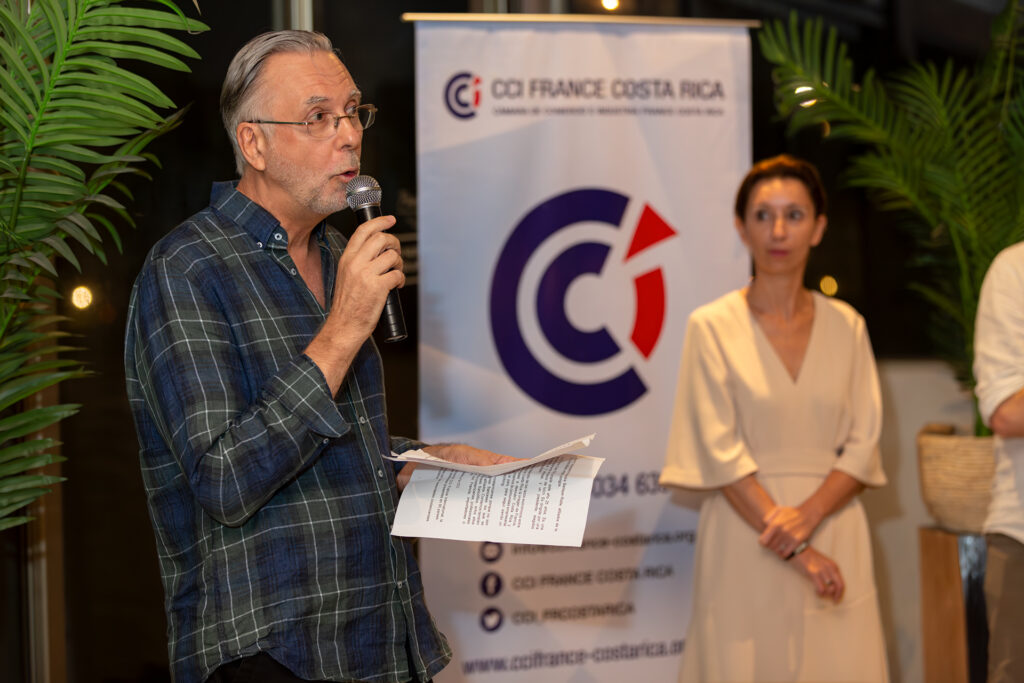
  • Clare Facio Legal welcomes the CCI France Costa Rica and its antenna in Tamarindo Guanacaste.

    Clare Facio Legal welcomes the CCI France Costa Rica and its antenna in Tamarindo Guanacaste.

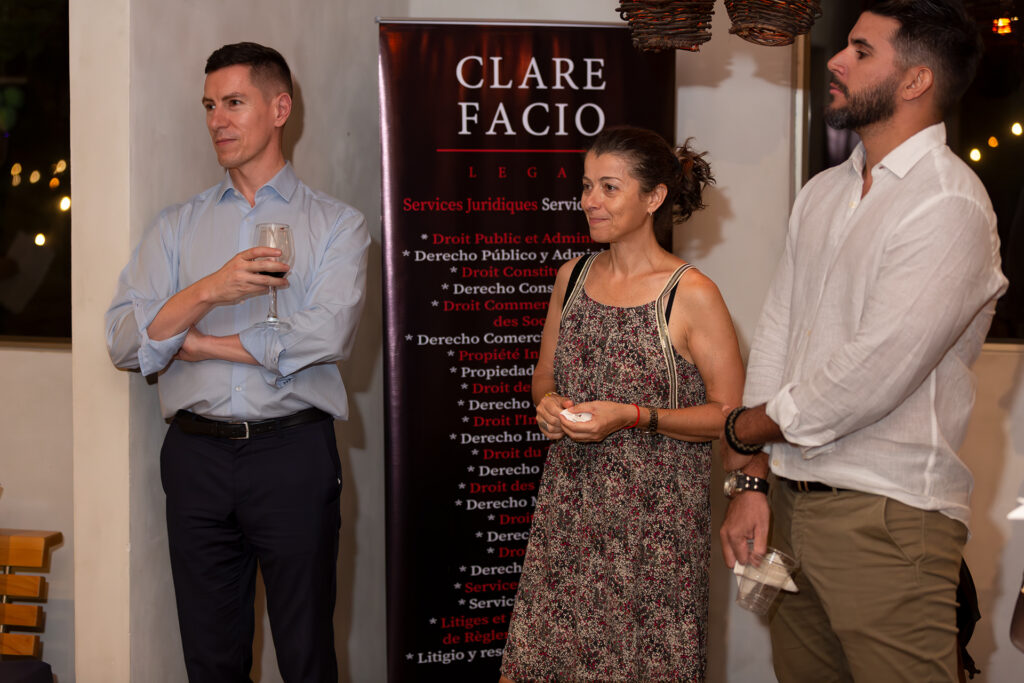
    By making this announcement official, we continue the celebration of last June 16 in Tamarindo, an event neighboring the appointment of our founding partner Gabriel Clare Facio as honorary consul of the French Republic in the sector of Tamarindo Guanacaste.

    CCI FRANCE COSTA RICA: Bringing Business Together and Promoting Sustainability

    Since its creation in 1997, CCI FRANCE COSTA RICA has been at the forefront of strengthening trade relations between France and Costa Rica, as well as promoting sustainable business practices.

    Two Essential Missions

    CCI FRANCE COSTA RICA has two fundamental missions that define its approach:

    ● Animate the French Business Community in Costa Rica: This mission involves supporting and facilitating relationships within the French business community in Costa Rica.

    ● Promote Commercial Exchanges between France and Costa Rica: This mission aims to develop and enhance commercial, industrial, financial and technological ties between these two regions.

    A Business Club and a Service Company

    Link between France and Costa Rica

    CCI FRANCE COSTA RICA is not only an essential link between France and Costa Rica, but also a team of dedicated professionals offering logistical support and commercial services for companies interested in developing in one of these two markets.

    Partner Network

    In addition, CCI FRANCE COSTA RICA is an active network of partners and an important driver of the French-Central American business community. It facilitates contacts between its members and the business community in general, both public and private, and is a key partner for development and support in France and Costa Rica.

    A Support for Business Exchanges and Development

    With a focus on developing business relationships between France and Central America, CCI FRANCE COSTA RICA uses its extensive knowledge and contacts to offer customized solutions to companies, helping them learn and grow in these markets. Its specialized business services are powerful tools for business growth.

    A Carbon Neutral Certified Chamber

    In a pioneering initiative, CCI FRANCE COSTA RICA has been officially declared Carbon Neutral within Costa Rica’s country program for Carbon Neutrality. This means that the Chamber has achieved a zero impact on its Greenhouse Gas (GHG) emissions through a transparent process of measurement, reduction, removal and/or offsetting.

    Promoting Good Business Practices

    In addition to being Carbon Neutral, the Chamber also seeks to promote the development of good business practices that improve the management of GHG emissions. This is in line with Costa Rica’s national goal of Carbon Neutral by 2021, an ambitious initiative

    to offset carbon emissions and reduce global warming and environmental degradation.

    Synergy and an ideal environment for doing business and living well.

    CCI France Costa Rica will share offices with Clare Facio Legal. In what we are sure will be a synergy and an environment for the exchange, promotion and development of ideas, businesses, and the establishment of citizens and companies.


    French companies in Costa Rica and also the participation of Costa Rican companies in the French market.

    All of us in the Clare Facio Legal family would like to welcome you to such an important institution with which we have been working in pleasant coexistence for many years. He also took advantage of the communiqué to invite the French, Costa Rican, commercial and industrial communities of both countries to do business and move the gears of development and progress between the two nations.